Why Academic Dreams Need Strategy, Not Just Applications
By seo_expert
July 6, 2026
Studying abroad is a dream shared by thousands of students every year. The opportunity to gain international exposure, access world-class education, develop global skills, and build a successful career makes overseas education an attractive goal. However, many students think they only need to apply to universities and wait for an acceptance letter to achieve their dream.
In reality, successful international education journeys require much more than applications alone. Behind every successful student is a carefully planned strategy that includes academic preparation, career planning, financial readiness, university selection, and long-term goals. Without a clear strategy, students may face challenges that could have been avoided through proper planning.
This is why many students explore guidance from abroad education consultants in Sangrur to better understand the entire process and create a roadmap that aligns with their academic and career aspirations.
The Difference Between a Dream and a Plan
Having a dream is important, but making it come true takes a clear and practical plan.
Many students start by asking:
- Which country should I choose?
- Which course matches my career goals?
- What are the admission requirements?
- How much financial preparation is needed?
- What opportunities will be available after graduation?
These questions highlight the importance of strategy.
Students who focus only on applications may overlook important factors that influence long-term success. A strategic approach helps ensure that educational choices support future career opportunities and personal growth.
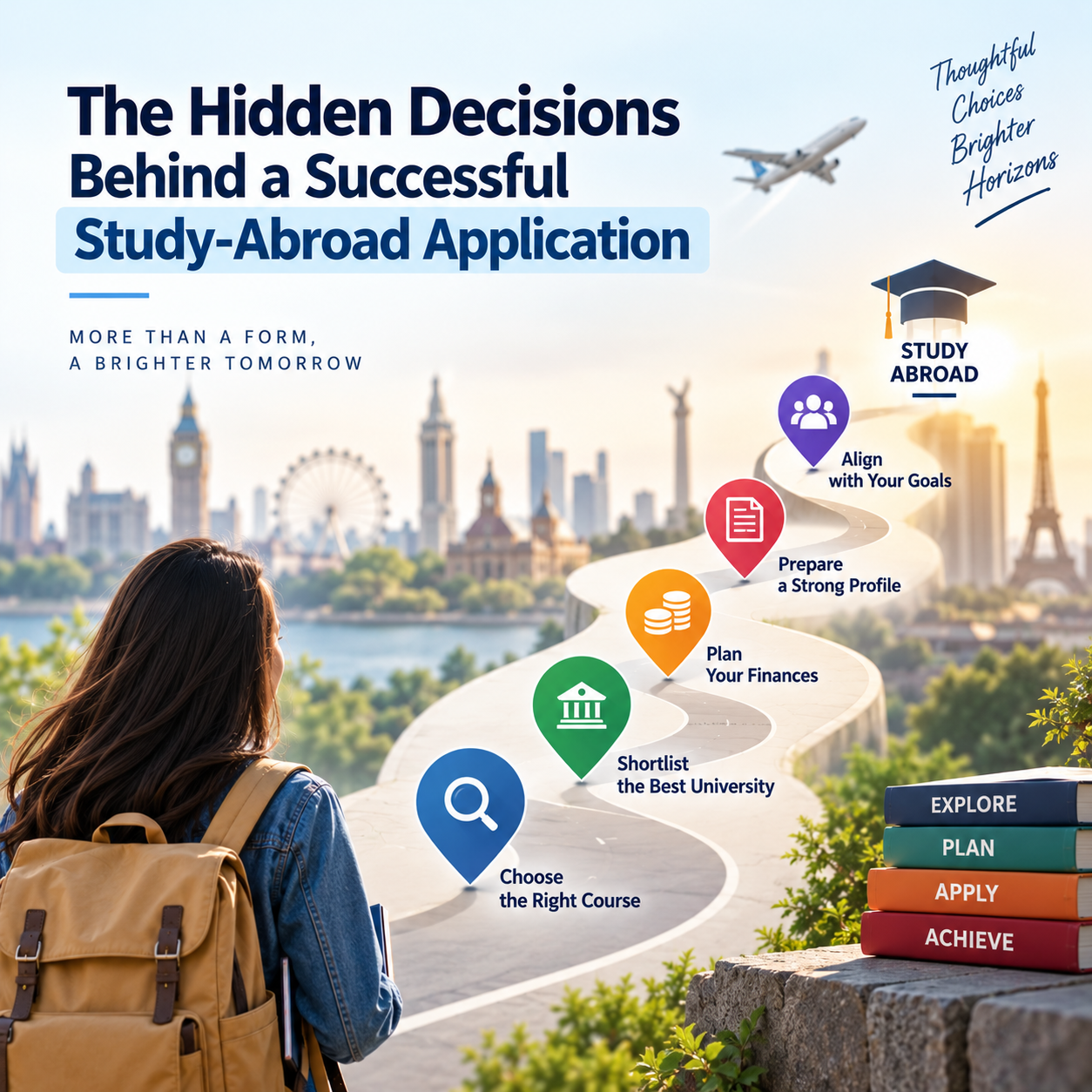
Choosing the Right Course Matters More Than the University Name
One common mistake students make is focusing exclusively on university rankings.
While institutional reputation is important, course selection often has a greater impact on future success.
Students should consider:
- Career opportunities
- Industry demand
- Personal interests
- Skill development
- Employment prospects
A highly ranked university may not always offer the best program for a student’s long-term goals.
Individuals seeking guidance from abroad education consultants in Sangrur often discover that selecting the right course can be more important than choosing the most popular institution.
Understanding Career Goals Before Applying
Many students begin applying to universities without clearly defining their career objectives.
Before submitting applications, students should ask themselves:
- What profession do I want to pursue?
- Which industries interest me?
- What skills are in demand globally?
- Where do I see myself in five or ten years?
Having clear career goals helps narrow educational options and improve decision-making.
A strategic education plan aligns academic choices with future professional opportunities.
Country Selection Requires Careful Evaluation
Every study destination offers unique advantages.
Factors to evaluate include:
- Education quality
- Post-study work opportunities
- Immigration pathways
- Cost of living
- Employment prospects
- Cultural environment
Choosing a destination solely based on popularity can lead to challenges later.
Students should select countries that align with both their academic objectives and long-term career aspirations.
This is one reason why many students seek study abroad guidance before making major educational decisions.
Financial Planning Is Part of Academic Success
Studying abroad involves significant financial commitments.
Students must prepare for:
- Tuition fees
- Accommodation expenses
- Travel costs
- Daily living expenses
- Health insurance
- Emergency funds
Financial planning should begin well before applications are submitted.
A strong financial strategy helps reduce stress and allows students to focus on academics after arriving in their chosen destination.
Understanding available funding options and budgeting realistically are important components of successful study planning.
Building a Strong Academic Profile
Applications are only one part of the admission process.
Universities often evaluate:
- Academic performance
- Extracurricular activities
- Leadership experience
- Community involvement
- Language proficiency
- Personal achievements
Students who begin building strong profiles early often have more opportunities available to them.
Good academic performance, along with a variety of experiences, makes your application stronger and shows that you are ready to study abroad.
The Growing Importance of Language Skills
Good language skills are an important part of studying abroad.
Strong communication skills help students:
- Meet admission requirements
- Participate in classroom discussions
- Complete assignments effectively
- Build social connections
- Improve employability
Many students underestimate the importance of language preparation until they begin the application process.
Investing time in language development can significantly improve both admission outcomes and academic success.
Students pursuing international education services often benefit from early language preparation strategies.
Understanding Admission Requirements
Different universities and countries have different admission standards.
Requirements may include:
- Academic transcripts
- Language test scores
- Personal statements
- Recommendation letters
- Portfolios
- Entrance examinations
Missing a requirement or misunderstanding eligibility criteria can delay applications or reduce opportunities.
Careful preparation ensures that students meet all necessary conditions before applying.
This strategic approach improves efficiency and reduces unnecessary stress during the admission process.
Applications Should Support a Bigger Goal
Many students apply without thinking about how their education choices fit into their future goals.
Successful international education involves more than securing admission.
Students should also consider:
Employment Opportunities
Will the chosen program support future career growth?
Industry Demand
Are graduates in demand within the chosen field?
Long-Term Settlement Goals
Does the destination offer opportunities after graduation?
Skill Development
Will the course provide practical and valuable skills?
Applications should support broader objectives rather than serving as isolated decisions.
Avoiding Common Mistakes
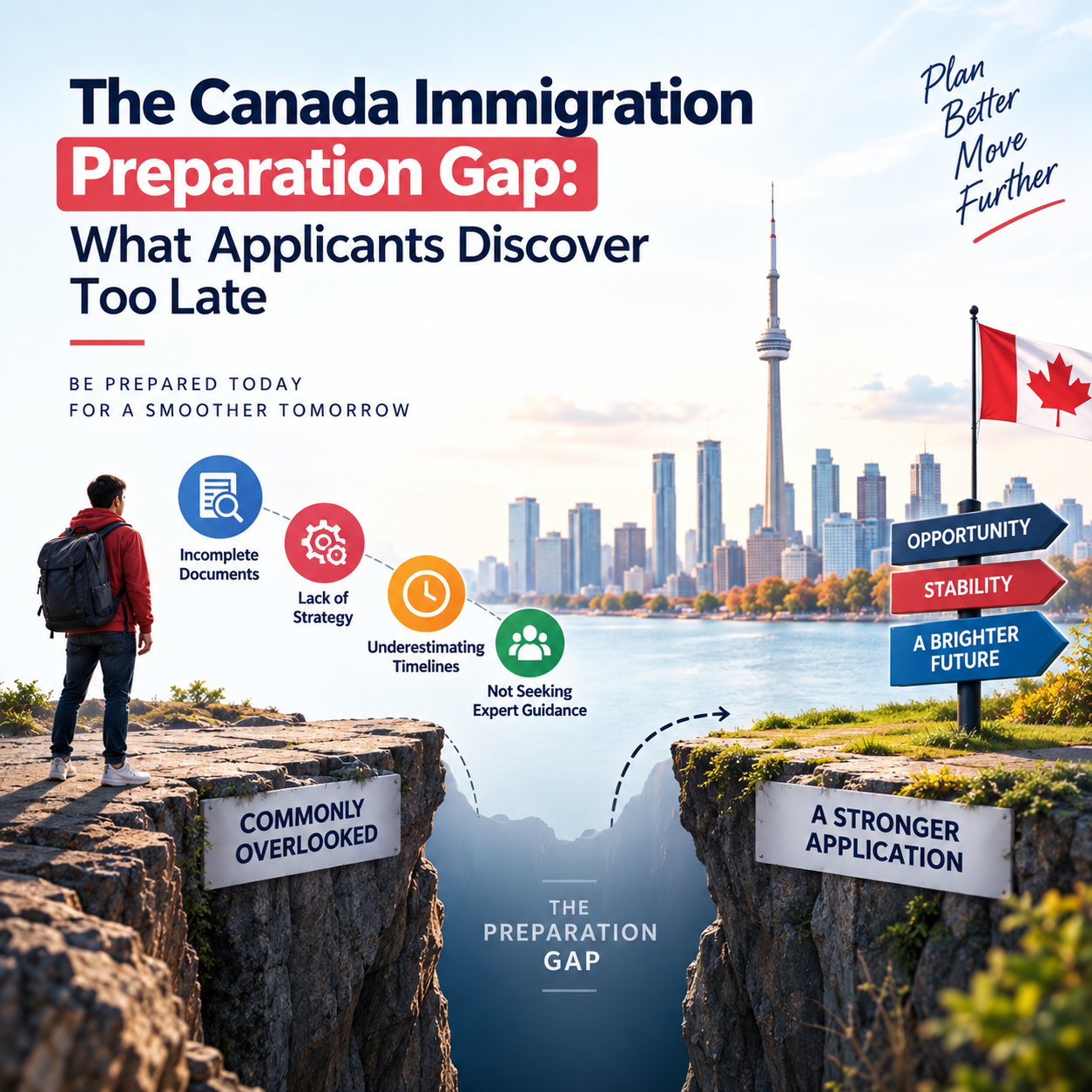
Many students encounter challenges because they focus solely on application deadlines.
Common mistakes include:
- Choosing courses without career planning
- Ignoring financial preparation
- Applying to unsuitable institutions
- Underestimating language requirements
- Failing to research destination countries
- Waiting too long to begin preparations
These mistakes can affect both admission outcomes and future opportunities.
A strategic approach helps students avoid these issues and make more informed decisions.
The Value of Early Preparation
Students who start planning early often enjoy significant advantages.
Early preparation allows time for:
- Academic improvement
- Language development
- Financial planning
- Career exploration
- University research
Rather than rushing through applications, students can focus on building stronger profiles and making thoughtful decisions.
This proactive approach often leads to better results and reduced stress.
Why Personalized Planning Matters
Every student’s situation is unique.
Factors such as:
- Academic background
- Career interests
- Financial resources
- Preferred destinations
- Long-term goals
all influence educational choices.
A strategy that works for one student may not be appropriate for another.
Personalized planning helps students identify opportunities that align with their specific aspirations and circumstances.
Many individuals exploring abroad education consultants in Sangrur seek support because they want tailored guidance rather than generic advice.
Preparing for Life Beyond Graduation
Academic success is important, but students should also think beyond graduation.
Questions to consider include:
- What career opportunities will be available?
- How can I build professional networks?
- What industries are growing?
- What additional skills should I develop?
Students who think strategically about their future often make stronger educational decisions today.
Planning for life after graduation helps you get the most value from your education.
The Role of Informed Decision-Making
The most successful international students are often those who make informed choices at every stage of the process.
They:
- Research thoroughly
- Plan carefully
- Prepare consistently
- Evaluate opportunities realistically
- Adapt to changing circumstances
Success rarely happens by accident.
It is usually the result of thoughtful preparation and strategic decision-making.
Conclusion
Academic dreams have the power to transform lives, but achieving those dreams requires much more than submitting applications. Successful international education journeys depend on careful planning, career alignment, financial readiness, language preparation, and informed decision-making.
Students who seek guidance from abroad education consultants in Sangrur often gain a clearer understanding of how to connect their academic goals with future career opportunities. Through effective study abroad guidance, structured planning, and access to reliable international education services, students can make smarter decisions and maximize their chances of success.
In today’s competitive education world, just submitting applications is not enough. A strong strategy provides direction, reduces uncertainty, and helps students build a foundation for long-term academic and professional achievement. By focusing on planning as well as applications, students can turn their academic dreams into real and rewarding success.