The Missing Link Between Academic Ambition and Global University Admissions
By seo_expert
July 6, 2026
Every year, thousands of students dream of studying at internationally recognized universities. They aspire to gain world-class education, develop global perspectives, access advanced research opportunities, and build successful careers. However, while many students possess strong academic ambition, not all of them achieve successful admission outcomes.
The reason is often simple: ambition alone is not enough. Global university admissions require planning, preparation, strategy, and a clear understanding of increasingly competitive admission processes. Many students focus heavily on grades while overlooking other important factors that universities evaluate.
This is why students and parents often seek guidance from the best international education consultants in Sangrur to better understand how academic goals can be transformed into successful university admissions. Bridging the gap between ambition and opportunity requires a structured approach that goes far beyond submitting applications.
Academic Ambition Is Only the Starting Point
Strong academic performance remains an important component of university admissions. Good grades demonstrate discipline, commitment, and subject knowledge.
However, leading international universities increasingly evaluate applicants based on a broader range of factors, including:
- Academic achievements
- Leadership skills
- Extracurricular activities
- Communication abilities
- Personal statements
- Career aspirations
- Community involvement
As competition grows, universities seek students who can contribute to campus life while also succeeding academically.
This means that academic ambition must be supported by a well-rounded profile.
Understanding the Competitive Nature of Global Admissions
The global education landscape has become more competitive than ever before.
Students from different countries compete for limited seats in highly respected institutions. Many applicants have strong academic records, making it difficult for universities to distinguish between candidates based solely on grades.
As a result, admissions teams often assess:
- Overall student potential
- Academic consistency
- Personal growth
- Future career goals
- Leadership qualities
Students exploring guidance from the best international education consultants in Sangrur often discover that admissions success depends on presenting a complete and compelling profile rather than relying only on academic scores.
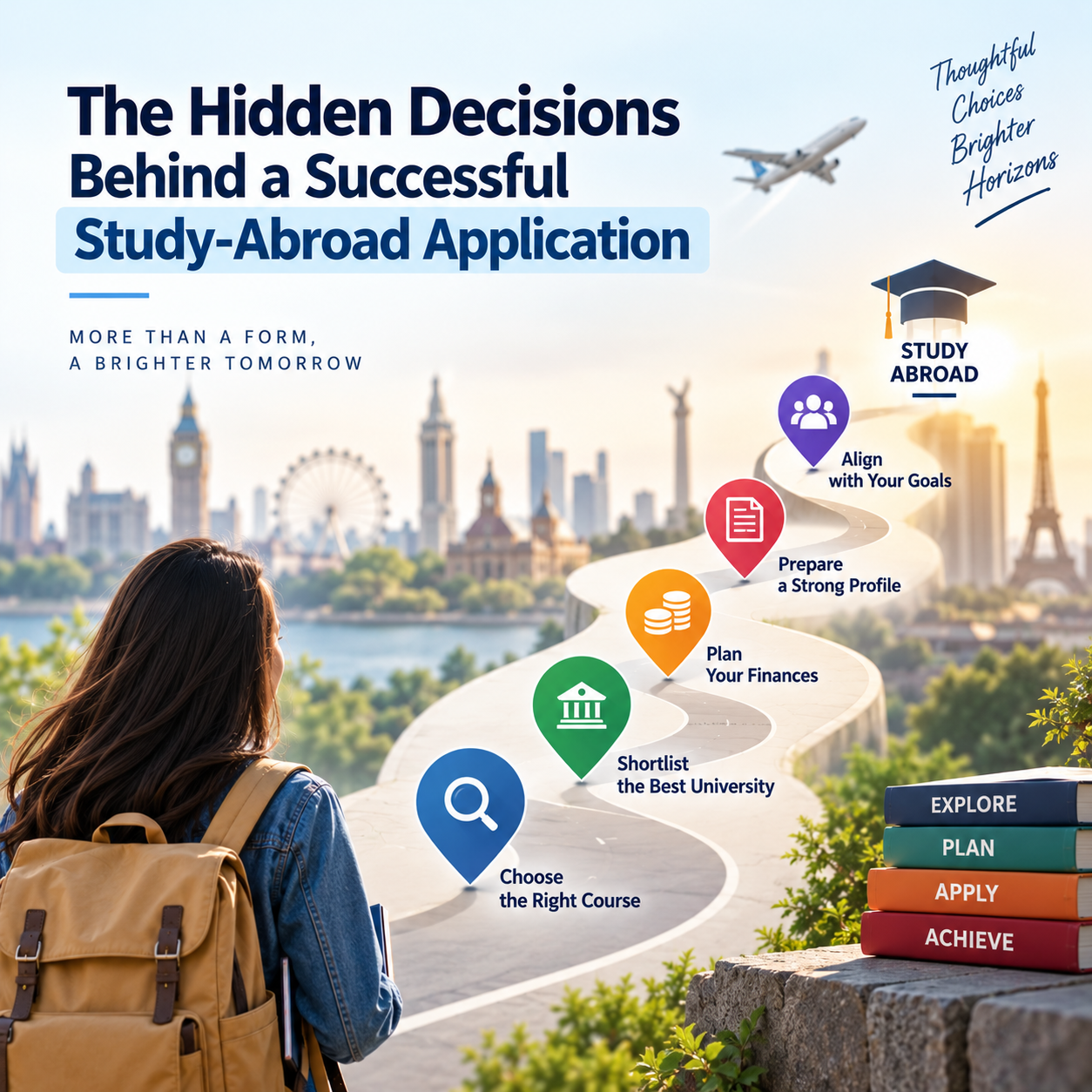
Choosing the Right University Matters
One of the biggest mistakes students make is applying to universities based solely on rankings or popularity.
A strategic university selection process should consider:
- Academic strengths
- Program quality
- Career opportunities
- Research facilities
- Industry connections
- Post-study work options
A university that is best for one student may not be the best for another.
Successful admissions planning focuses on finding institutions that align with both academic interests and long-term career objectives.
This personalized approach is an essential part of effective study abroad counseling.
The Importance of Course Selection
Choosing the right course is just as important as choosing the right university.
Students should evaluate:
- Industry demand
- Future employment opportunities
- Skill development potential
- Personal interests
- Long-term career goals
A program that aligns with career aspirations often provides greater long-term value than simply selecting a popular course.
Thoughtful course selection helps students remain motivated and supports better academic and professional outcomes after graduation.
Personal Statements Can Make a Difference
Many international universities require personal statements as part of the admission process.
This document allows students to explain:
- Their academic interests
- Career goals
- Achievements
- Motivation for choosing a particular course
A well-written personal statement helps admissions officers understand the person behind the grades.
Students with similar grades may get different results depending on how well they explain their goals and experiences.
This is one reason why overseas education guidance often emphasizes the importance of strong application narratives.
Language Proficiency Is More Than a Requirement
Language tests are often viewed simply as admission requirements.
However, strong language skills offer benefits that extend far beyond university acceptance.
English proficiency helps students:
- Participate confidently in classes
- Complete assignments effectively
- Build professional networks
- Adapt to international environments
- Improve employability
Preparing early for language examinations allows students to strengthen both admission prospects and future academic performance.
Language preparation remains an important component of global education planning.
Building a Strong Student Profile
Universities increasingly seek students who demonstrate initiative and engagement beyond the classroom.
A strong student profile may include:
- Volunteer work
- Leadership activities
- Sports participation
- Cultural involvement
- Academic projects
- Internships
These experiences help students build skills like:
- Teamwork
- Communication
- Problem-solving
- Leadership
Such qualities often make applications more competitive and memorable.
Students working with the best international education consultants in Sangrur frequently learn how extracurricular achievements can complement academic performance.
Financial Planning Is Often Overlooked
Many students focus primarily on admission requirements while underestimating the importance of financial planning.
Studying abroad may involve costs related to:
- Tuition
- Accommodation
- Travel
- Insurance
- Living expenses
Financial preparation helps students avoid unnecessary stress and focus on their academic goals after arrival.
A comprehensive education strategy includes realistic budgeting and long-term financial planning.
Understanding available funding opportunities and financial requirements supports better decision-making throughout the process.
Research and Preparation Lead to Better Outcomes
Students who begin planning early often enjoy significant advantages.
Early preparation allows time for:
- University research
- Course comparisons
- Language development
- Profile enhancement
- Document preparation
Waiting until application deadlines approach can limit opportunities and increase stress.
A proactive approach provides greater flexibility and improves overall admission readiness.
This is one reason why many families seek international admission assistance well before application deadlines.
Understanding Admission Requirements
Every university has unique admission criteria.
Requirements may include:
- Academic transcripts
- Language test scores
- Letters of recommendation
- Personal statements
- Portfolios
- Interviews
Failure to meet even one requirement can affect application outcomes.
Careful attention to university-specific expectations helps students submit stronger and more complete applications.
Preparation and organization remain essential throughout the admission process.
Thinking Beyond Admission Letters
Getting admission should not be seen as the end goal.
Students should also consider:
Career Opportunities
Will the chosen course support future employment objectives?
Industry Demand
Are graduates from the program in demand?
Professional Networking
Does the university provide opportunities to build valuable connections?
Long-Term Growth
Will the educational experience contribute to personal and professional development?
Considering these factors helps students make decisions that support long-term success rather than short-term achievements.
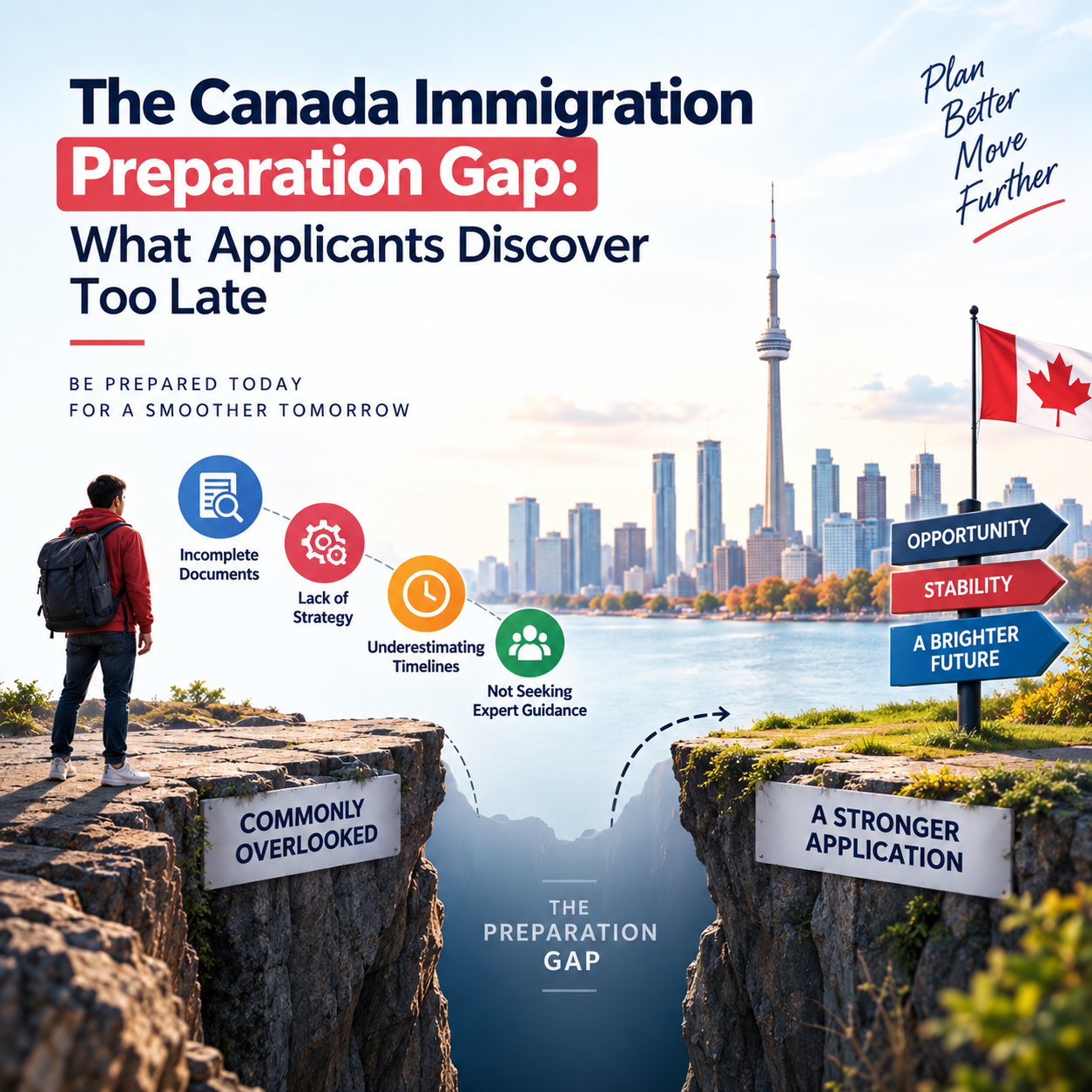
Common Mistakes Students Should Avoid
Many students encounter avoidable challenges during the admissions process.
Common mistakes include:
- Applying without a clear strategy
- Choosing universities based only on rankings
- Ignoring career planning
- Delaying language preparation
- Underestimating financial requirements
- Submitting incomplete applications
Recognizing these pitfalls early can significantly improve admission outcomes.
Strategic planning often makes the difference between missed opportunities and successful admissions.
Why Guidance Matters
Global university admissions involve multiple steps, deadlines, and requirements.
Professional guidance helps students:
- Understand eligibility criteria
- Select suitable institutions
- Build stronger profiles
- Prepare complete applications
- Align educational choices with career goals
Students often benefit from objective advice that helps them evaluate opportunities realistically and strategically.
This support can simplify decision-making and improve overall confidence throughout the admissions journey.
Conclusion
Academic ambition is a powerful starting point, but it is not the only factor that determines success in global university admissions. Today’s competitive admissions environment requires careful planning, profile development, strategic decision-making, and long-term vision.
Students seeking support from the best international education consultants in Sangrur often gain valuable insights into university selection, course planning, application preparation, and career alignment. Through effective study abroad counseling, reliable overseas education guidance, and comprehensive international admission assistance, students can strengthen their applications and improve their chances of achieving their academic goals.
In the end, the key to connecting academic ambition with successful university admissions is having a clear strategy. When ambition is combined with preparation, planning, and informed decision-making, students are better positioned to access global educational opportunities and build rewarding futures.