Immigration in 2026: Why Preparation Matters Before You Choose a Pathway
By seo_expert
August 27, 2026
Immigration is a major decision that can affect education, employment, finances, family life, and long-term plans. In 2026, choosing an immigration pathway requires more than simply selecting a country and submitting an application. Immigration policies, eligibility requirements, labour market priorities, and temporary and permanent residence targets can change over time.
For people exploring immigration services in punjab, preparation is one of the most important steps before deciding which pathway may suit their circumstances. A carefully planned approach can help applicants understand their options, organize documents, identify potential challenges, and make decisions based on eligibility rather than assumptions.
Why 2026 Requires Careful Planning
Immigration systems are not static. Governments regularly adjust programs according to labour market needs, economic conditions, population priorities, and available places.
For example, Canada’s 2026–2028 Immigration Levels Plan stabilizes permanent resident admissions while reducing targets for new temporary residents. The plan also places greater emphasis on economic immigration.
Australia also continues to maintain structured migration planning, with skilled migration remaining an important component of its permanent migration program.
These developments show why applicants should research current requirements rather than relying on information from previous years.
Start With Your Actual Goal
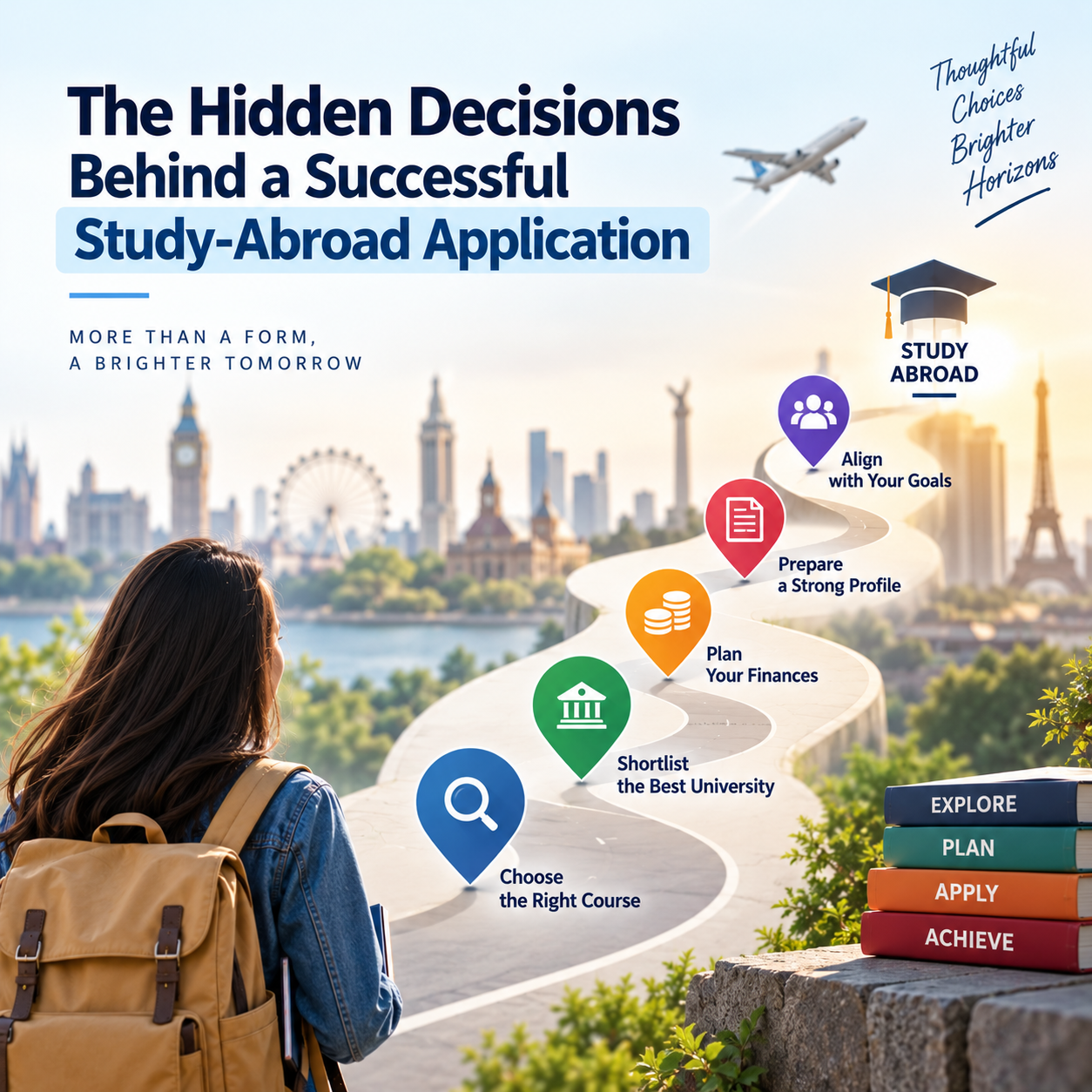
Before choosing a pathway, identify what you genuinely want to achieve.
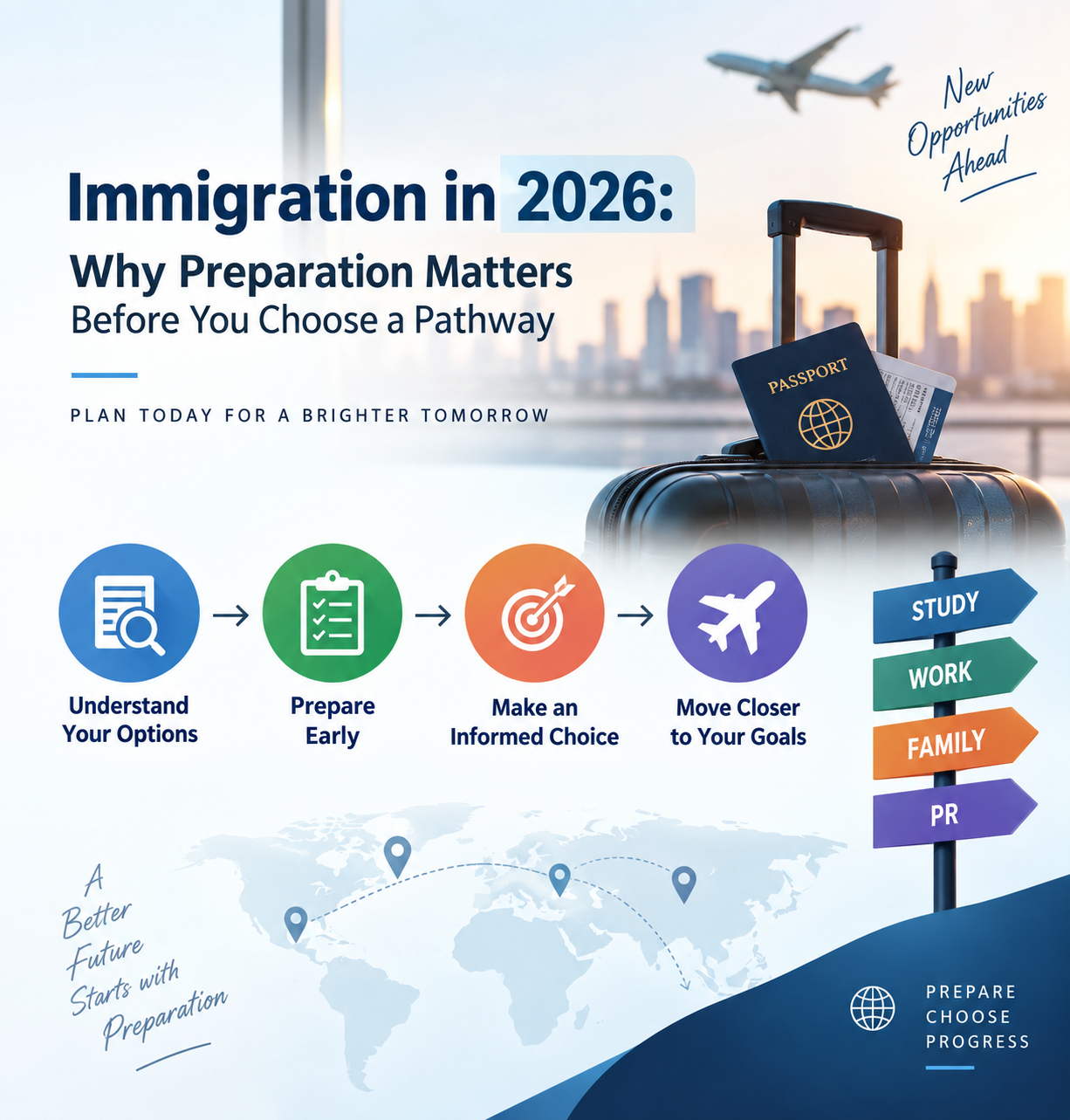
Are you planning to study, work temporarily, build a long-term career, reunite with family, or eventually seek permanent residence? These goals can point toward very different immigration options.
A person interested in education may need to consider admission requirements and study-related immigration rules. Someone focused on employment may need to examine occupation, skills, experience, language ability, and employer-related requirements.
Starting with the goal helps prevent the common mistake of choosing a pathway simply because someone else succeeded through it.
Understand Your Eligibility
Eligibility should be assessed before making major commitments.
Factors can include age, education, work experience, occupation, language ability, financial circumstances, health requirements, family situation, and previous immigration history. The importance of each factor varies according to the specific pathway.
Do not assume that having a degree or several years of work experience automatically makes someone eligible. Immigration programs often use detailed criteria, and meeting one requirement does not guarantee that all other requirements will be satisfied.
A realistic assessment can help identify strengths as well as areas that may need improvement.
Choose the Country After Comparing Options
Choosing a destination based only on popularity can create problems later. A better approach is to compare countries according to personal goals and eligibility.
Consider employment opportunities, education, long-term residence possibilities, language requirements, family circumstances, and the type of visa available.
Canada currently offers permanent residence routes that include economic programs, family sponsorship, and regional options. Australia similarly has skilled, family, and other migration pathways.
The best destination is not necessarily the country that appears most frequently on social media. It is the one where your qualifications and goals align with the applicable rules.
Keep Documents Ready
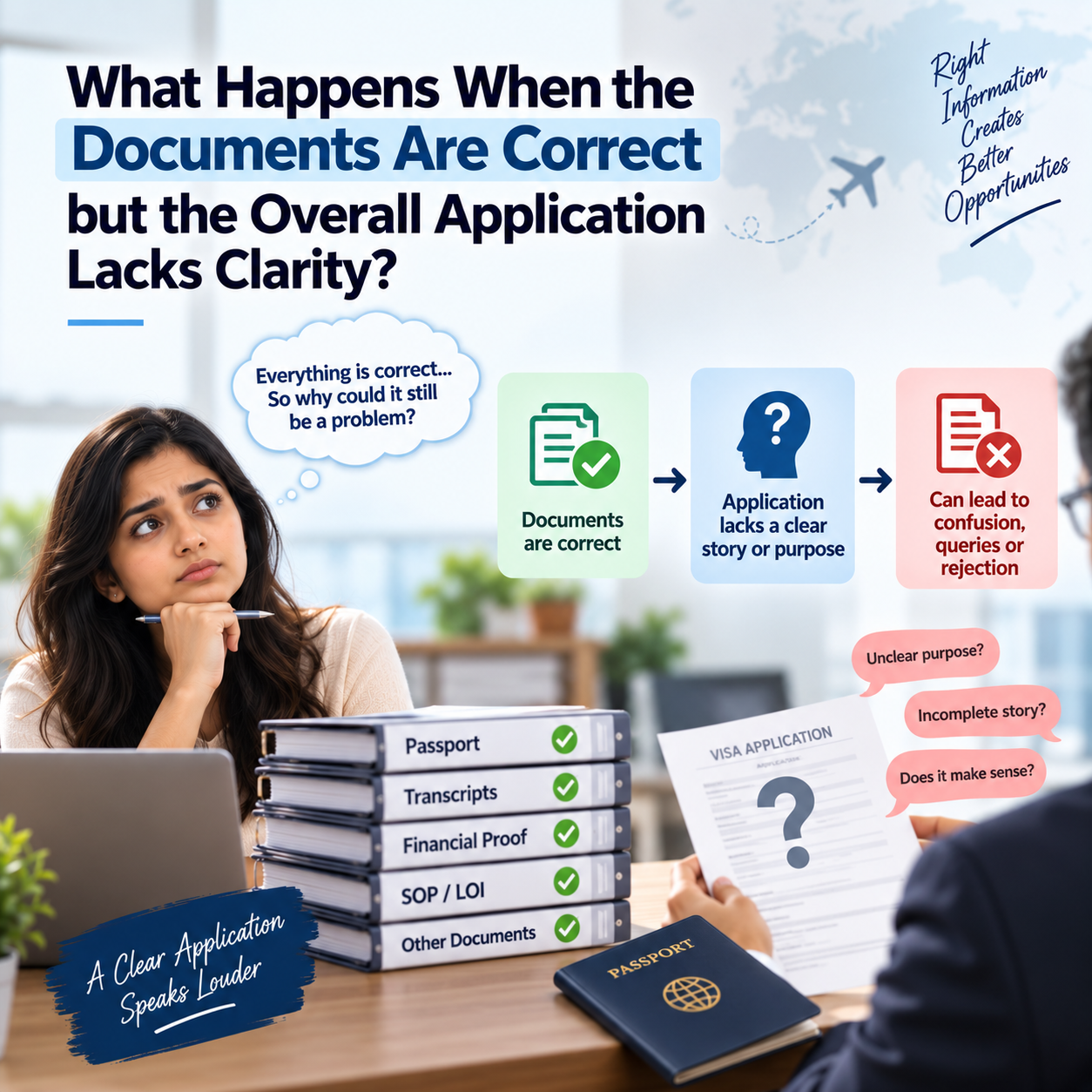
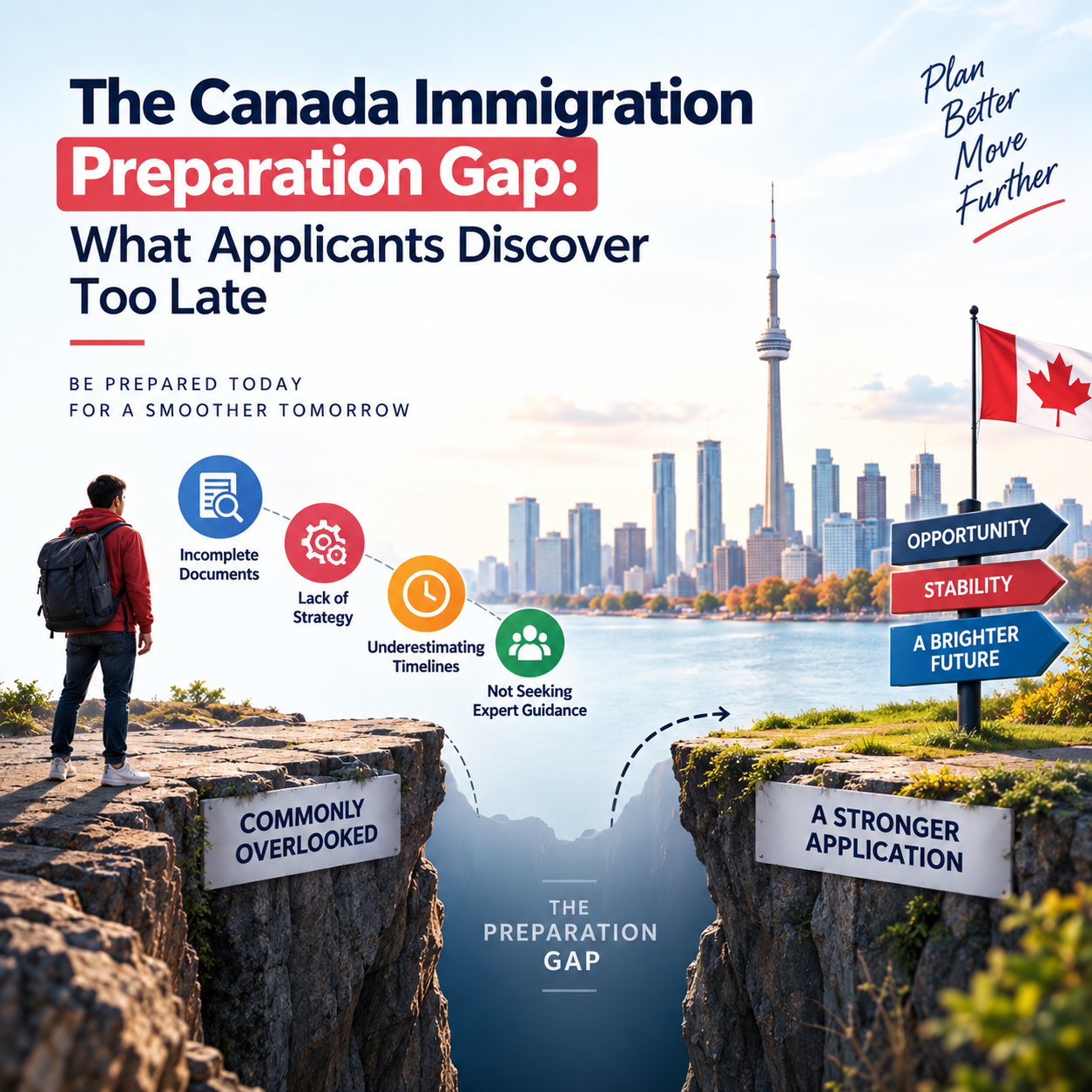
Document preparation is often underestimated. Immigration applications can require evidence covering education, employment, identity, finances, language ability, family relationships, and other personal circumstances.
Documents should be accurate, consistent, and properly prepared according to the requirements of the relevant program.
Differences between names, dates, employment periods, addresses, or educational information can create questions during processing. Reviewing documents before submission can help identify inconsistencies early.
Keeping digital copies of important records in an organized folder can also make future applications and updates easier.
Language Preparation Can Matter
Language ability can influence eligibility or competitiveness in several immigration pathways. Applicants may need to complete an approved language examination and achieve the required result.
Preparing at the last moment can create unnecessary pressure. Language improvement often takes time, particularly when an applicant needs a specific score across several abilities.
Starting early gives applicants an opportunity to understand their current level, identify weaker areas, practice consistently, and retake an examination if necessary.
Language preparation should therefore be treated as part of immigration planning rather than an afterthought.
Work Experience Should Be Evaluated Carefully
Work experience can be important in skilled immigration, but job titles alone may not tell the complete story.
Applicants should understand whether their actual duties and responsibilities match the occupation requirements of the pathway they are considering. Employment documents should accurately reflect the work performed.
Simply selecting an occupation because its title sounds similar to a current job may create problems if the underlying duties do not match.
Careful evaluation of professional experience can make the application more consistent and credible.
Do Not Build a Plan Around Social Media Claims
Immigration advice on social media can be useful for general awareness, but it should not be treated as a substitute for official requirements.
Rules can change, and an experience that worked for one applicant several years ago may not apply to another person today.
Applicants should verify important information through official government sources and current program instructions. Canada’s immigration authorities, for example, publish updated levels plans and program information, while Australia’s Department of Home Affairs provides current information about skilled and permanent migration programs.
This simple habit can prevent decisions based on outdated information.
Consider the Long-Term Picture
An immigration decision should not focus only on receiving the first visa.
Think about what happens after arrival. Will the intended qualification support your career goals? Is there a realistic employment market for your skills? How might family responsibilities affect your plans? What conditions apply if you later want to extend your stay or pursue permanent residence?
A pathway that appears attractive initially may not provide the long-term outcome you expect.
Looking beyond the first stage can help create a more realistic immigration strategy.
Prepare for Changing Policies
Immigration programs can change while applicants are preparing. Targets, eligibility requirements, occupation priorities, processing arrangements, and temporary resident policies may be revised.
Canada’s 2026 immigration framework, for instance, includes changes to temporary resident targets and a stronger focus on economic immigration. Australia also reviews migration policy and its skilled migration system as part of broader migration planning.
This means preparation should include staying informed rather than completing research once and never checking for updates.
Avoid Rushing Because of Others
Friends, relatives, colleagues, or online communities may encourage applicants to move quickly because they believe a particular opportunity will disappear.
Pressure can lead to poor decisions, incomplete documentation, or choosing a pathway that does not actually match the applicant’s circumstances.
A better approach is to understand the requirements, review available options, prepare supporting evidence, and then make a decision based on facts.
Immigration is a significant commitment, so careful planning is usually more valuable than unnecessary speed.
Seek Appropriate Guidance When Needed
Immigration rules can be complex, particularly when several pathways appear possible. Professional guidance may help applicants understand requirements, identify documentation issues, and organize their application strategy.
However, applicants should remain actively involved in their own application. They should understand what information is being submitted, verify important claims, and retain copies of documents.
Good preparation means knowing the pathway, understanding the obligations, and being confident that the information provided is accurate.
Conclusion
Immigration in 2026 requires a thoughtful approach. Changes in immigration levels, temporary resident policies, skilled migration priorities, and program requirements make it increasingly important to prepare before choosing a pathway.
If you are researching immigration services in punjab, begin by identifying your goal and assessing your eligibility. Compare countries and pathways, prepare your documents, work on language requirements when necessary, evaluate your professional experience carefully, and verify information through current official sources.
Most importantly, do not choose an immigration pathway simply because it worked for someone else. Your education, experience, family circumstances, financial position, language ability, and long-term objectives are unique.
In 2026, taking the time to understand your options before choosing a pathway can be one of the most valuable steps in your immigration journey.