The Student Visa Story Test: Does Your Application Make Sense From Start to Finish?
By seo_expert
August 27, 2026
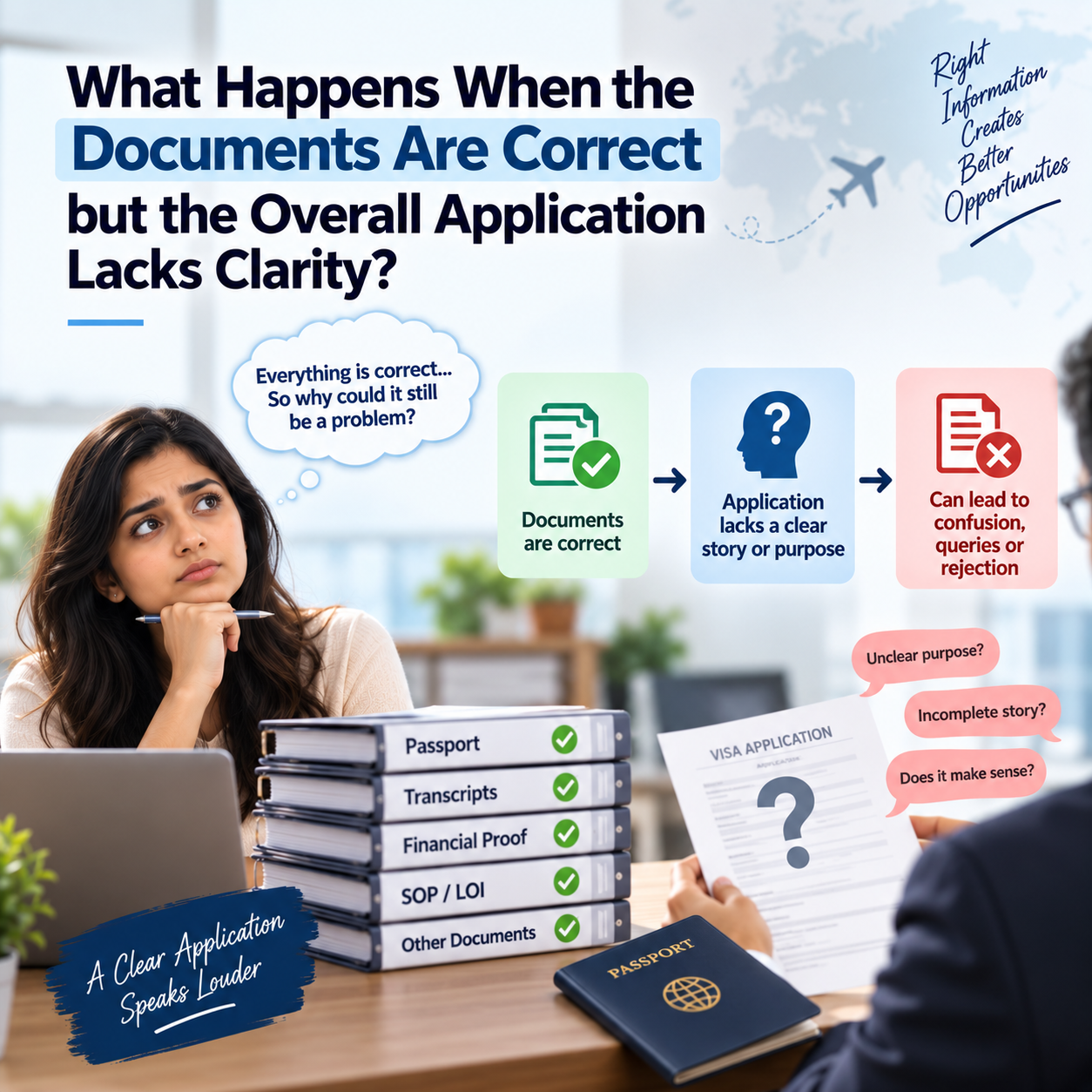
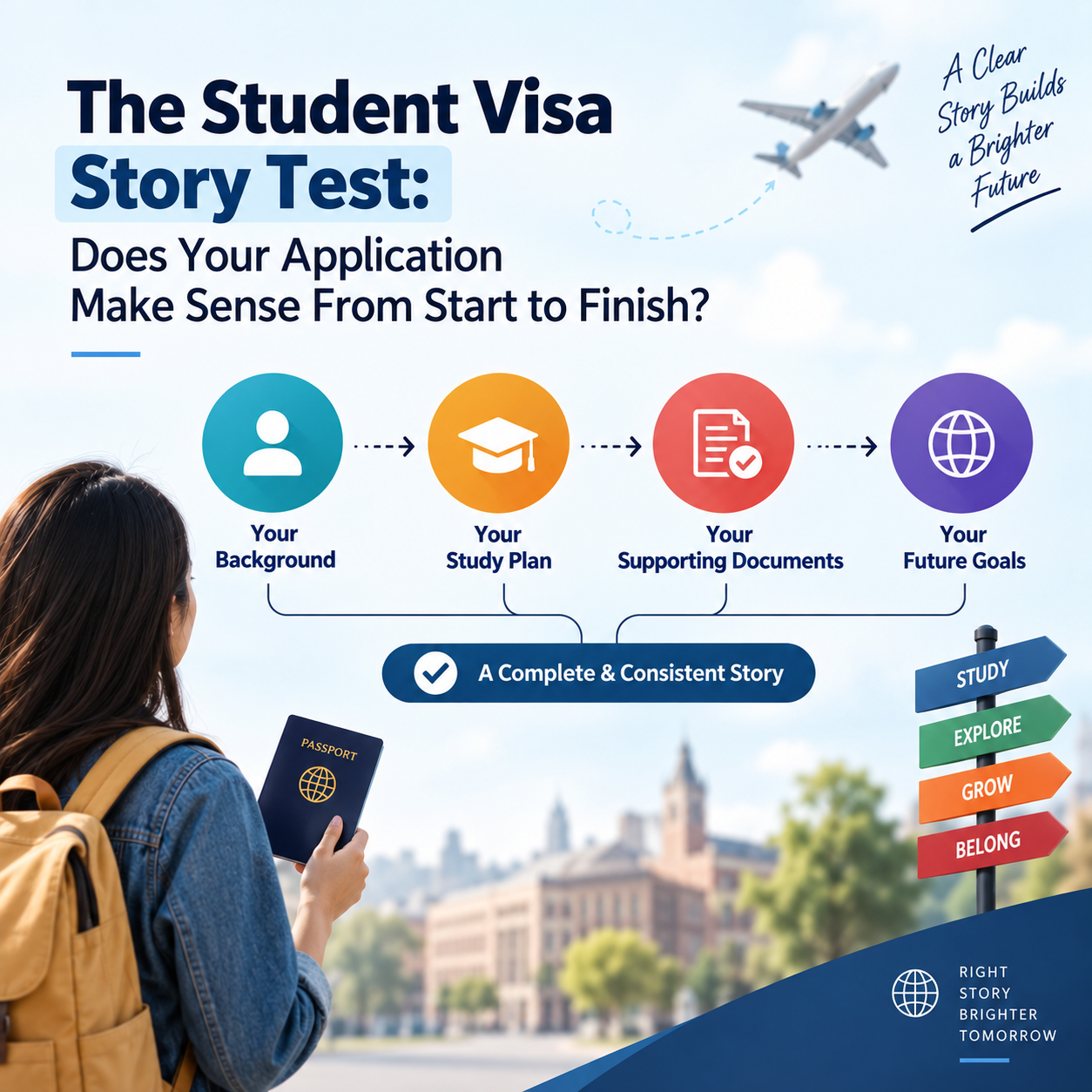
A student visa application is more than a collection of forms and documents. It tells a story about who you are, what you have studied, why you selected a particular course, how you plan to fund your education, and what you expect to gain from the experience. When these parts do not connect, an otherwise strong application can raise questions.
For students researching Study Visa Consultants in Sangrur, one useful exercise is the “story test”: read the application from beginning to end and ask whether every major decision makes sense. The purpose is not to create a dramatic story, but to make sure the information is truthful, consistent, relevant, and supported by evidence.
Start With Your Academic Background
Your chosen course should match your previous education and studies. This does not mean every student must choose a course identical to an earlier qualification. A change can be reasonable when there is a clear academic or career explanation.
For example, moving from a general undergraduate degree to a specialised postgraduate program may be logical if the new program develops skills related to your intended career. A sudden change into an unrelated field, however, may require a stronger explanation.
Review your transcripts, certificates, previous courses, and proposed programs together. Ask whether a reader can understand how one stage led to the next.
Explain Why You Chose the Course
Choosing a course simply because it is popular is not a strong foundation for an application. You should understand what the program teaches and how it connects with your goals.
Consider the subjects, academic level, duration, learning outcomes, and practical relevance. Your explanation should reflect genuine knowledge of the program rather than general statements such as “it is a good course” or “it offers better opportunities.”
For Australia, the Genuine Student requirement specifically asks applicants to explain why they want to study the chosen course with the particular education provider and their understanding of studying and living there. Responses are also supported by documentary evidence.
Make the Career Connection Clear
Think about your current skills, previous employment, future career interests, and the knowledge you expect to gain. If the course provides skills that build upon your background, explain that connection clearly.
If you are changing careers, do not hide the change. Instead, explain what led to the decision and why the new qualification is relevant.
Check Your Financial Story
Finances are an important part of a student visa application. The application should demonstrate that the proposed study plan is financially realistic and that the required supporting evidence is available.
For Canada, current study permit guidance requires applicants to demonstrate sufficient funds for tuition, living expenses, and return transportation, along with other applicable requirements.
Australia also requires evidence of financial capacity in relevant student visa applications, including funds for travel, living costs, tuition, and certain accompanying family expenses.
Review the source and documentation of funds carefully. The figures, statements, income information, and explanations should be consistent.
Keep Personal Information Consistent
Small inconsistencies can create unnecessary questions. Check names, dates of birth, addresses, education dates, employment periods, travel history, and family information across every document.
If one document shows a different employment period from another, make sure there is a genuine reason and appropriate evidence.
Do not guess information simply to complete a form. If you are uncertain about a date or detail, verify it using the original record.
Accuracy is more important than making an application appear perfect.
Make Your Documents Support Your Statements
A written explanation is stronger when important claims can be supported by evidence.
If you mention employment, relevant employment records can help support the claim. If you describe academic progress, transcripts and certificates provide evidence. If financial circumstances are discussed, appropriate financial documents should support the explanation.
For Australia, official guidance states that greater weight is given to statements supported by evidence when assessing the Genuine Student requirement.
For Canada, applicants need an acceptance letter and other documents applicable to their circumstances, and current guidance recommends a letter explaining why they want to study and understand their responsibilities as an international student.
Avoid Copy-Paste Statements
A student visa application should reflect the individual applicant. Generic statements can make it difficult to understand why a particular course, institution, or destination makes sense for that person.
Avoid copying explanations from friends, websites, or old applications without checking whether they actually describe your circumstances.
A better approach is to begin with your own timeline. Write down your education, employment, reasons for choosing the course, financial plan, and future goals. Then check whether these elements connect naturally.
The result should sound like a real explanation rather than a collection of impressive phrases.
Check the Destination-Specific Requirements
Not every country assesses student applications in exactly the same way. Requirements vary by destination, visa category, education provider, and applicant circumstances.
For example, Canada generally requires a letter of acceptance from a designated learning institution and may require a provincial or territorial attestation letter depending on the applicant. Australia assesses student visa applicants under the Genuine Student requirement, which focuses on whether studying is the primary reason for the application.
Therefore, do not use one country’s checklist or statement format as a template for another country.
Read the Application Like an Officer
Before submission, temporarily stop thinking like the applicant and read the application from an outside perspective.
Ask simple questions:
Why this course?
Why this institution?
Why this destination?
How does the course connect with previous studies or experience?
How will education be funded?
Are the documents consistent?
What happens after the course?
If any answer is unclear, review that part before submitting.
This exercise can reveal gaps that are easy to miss when completing forms one section at a time.
Do Not Invent a Better Story
The story test is not about making an application sound more impressive. It is about making the existing facts understandable.
Never create employment, financial, academic, family, or travel information simply because it appears more favourable. Providing false or misleading information can cause serious problems with your immigration application.
Official Canadian guidance also warns applicants about fraud and emphasizes using genuine documents and following the proper study permit process.
A simple, truthful explanation supported by evidence is more appropriate than an elaborate story that cannot be verified.
Conclusion
A student visa application should make sense from beginning to end. Your education, course choice, career direction, finances, personal circumstances, and supporting documents should form a clear and truthful picture.
If you are considering Study Visa Consultants in Sangrur, use the story test before submitting your application. Read every section together rather than treating each form or document separately.
Ask whether your course choice has a logical explanation, whether your financial plan is supported, whether your personal history is clear, and whether every important statement is consistent with the evidence.
Most importantly, do not try to manufacture the “perfect” story. Build your application around your real circumstances and current requirements. Careful preparation can make the application clearer, reduce avoidable inconsistencies, and help you approach the student visa process with greater confidence.