Ireland Student Visa Requirements: A Step-by-Step Guide
By shivant gupta
April 30, 2025
Studying abroad is an exciting opportunity, and one of the most popular destinations for international students is Ireland. If you are considering pursuing higher education in Ireland, obtaining a student visa is a crucial step in making your dreams a reality. To study in Ireland, students from non-EU/EEA countries must adhere to specific visa requirements that ensure smooth entry and residence. This step-by-step guide will help you navigate the Ireland student visa process efficiently and without hassle.
1. Understanding the Types of Student Visas for Ireland
Before starting the application process, it’s essential to understand the types of student visas you may be eligible for, depending on the length of your course. Generally, Ireland offers two types of student visas:
- C Visa (Short Stay): This visa is for students who plan to study in Ireland for a period of less than three months. It is suitable for short-term language courses or summer programs.
- D Visa (Long Stay): The D visa is for students who will be enrolled in courses lasting longer than three months, such as degree programs, diploma courses, and other long-term studies.
Since most international students study in Ireland for longer durations, the D Visa is the most commonly applied for.
2. Eligibility Criteria for a Student Visa in Ireland
To study in Ireland, you must meet certain eligibility requirements before you can apply for a student visa. Here are the key factors:
- Proof of Acceptance: You must have an unconditional offer letter from an accredited institution that confirms your acceptance into a recognized full-time course. This should be in the form of an official letter or email.
- Financial Proof: You must provide proof that you have enough funds to support your stay in Ireland. The amount required generally includes tuition fees, accommodation, and living expenses. As of 2025, you must show you have access to a minimum of €7,000 for a one-year course. The Irish government requires that this money is readily available to you for the duration of your studies.
- Health Insurance: Students must have valid health insurance that covers the duration of their stay in Ireland. This is to ensure that in case of illness or accident, the student is covered for medical expenses.
- Visa Application Form: You must fill out and submit the visa application form available on the official Irish Naturalisation and Immigration Service (INIS) website. This form includes personal details, educational background, and contact information.
3. Visa Application Process
The Ireland student visa application process is straightforward, but attention to detail is key. Here’s a detailed step-by-step procedure:
Step 1: Complete the Application Form
The application is available online, and you must fill out the required details accurately. This includes personal details, course details, and financial information. Ensure that all the information you provide matches the documents you submit.
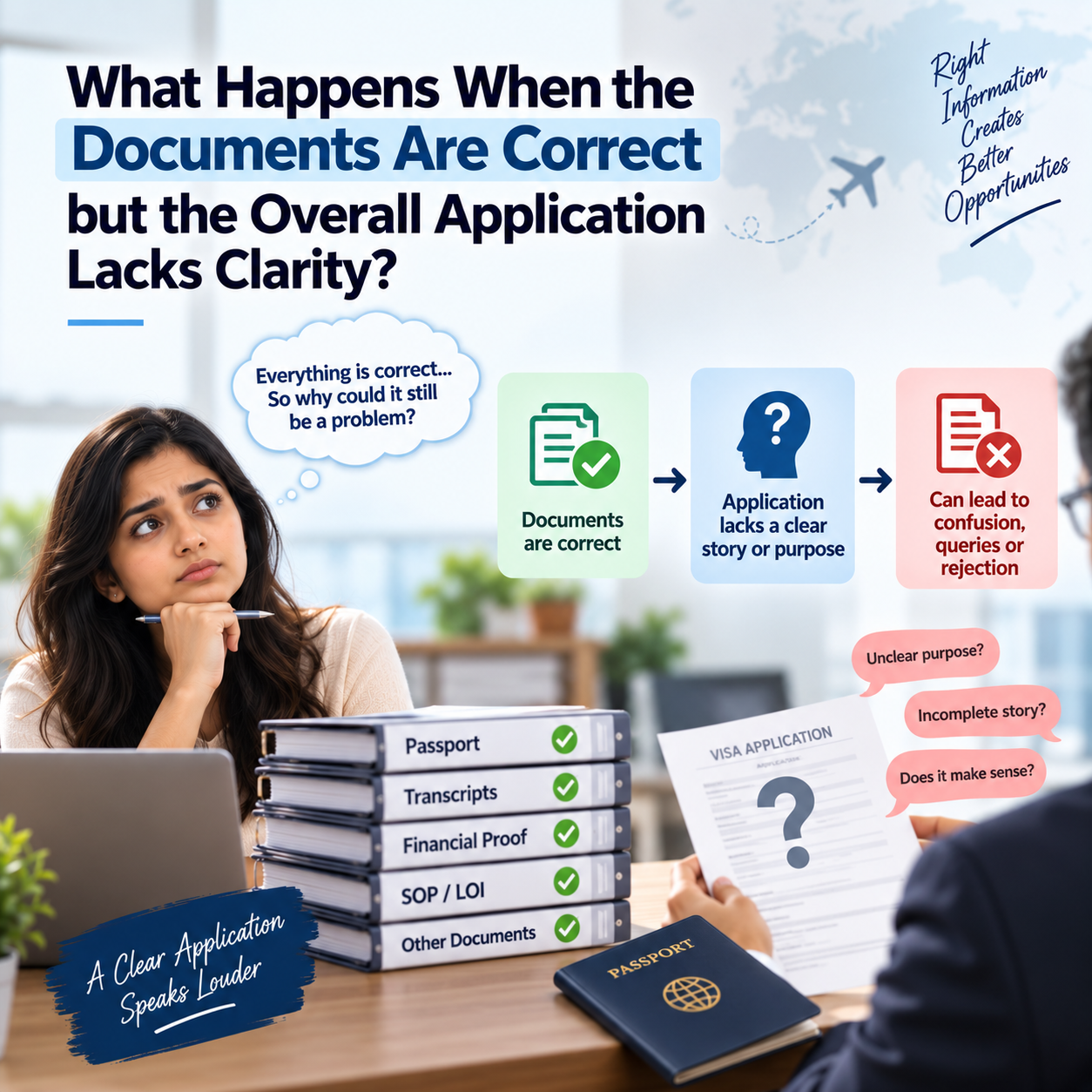
Step 2: Gather Supporting Documents
Once the application form is complete, the next step is to gather all necessary supporting documents. These typically include:
- Passport: Your passport should be valid for at least 12 months from the date you intend to enter Ireland.
- Letter of Acceptance: Proof of acceptance from an accredited institution.
- Proof of Funds: Bank statements or financial documents showing you have sufficient funds for tuition fees, living expenses, and accommodation.
- Academic Transcripts: Educational qualifications and transcripts from your previous studies.
- Visa Application Fee: A non-refundable visa application fee must be paid as part of the application process.
Step 3: Submit the Application
Once your documents are in order, submit your application online through the INIS website. After submission, you will be required to print a hard copy of your application and send it to the relevant Irish embassy or consulate in your country.
Step 4: Attend an Interview (if required)
In some cases, applicants may be asked to attend an interview. During this interview, you may be asked about your reasons for choosing Ireland, your course of study, and how you plan to fund your education.
Step 5: Wait for Approval
After submitting your application and attending the interview (if applicable), you must wait for the Irish authorities to process your visa. Processing times may vary, but it generally takes around 2 to 3 months. It’s crucial to apply well in advance to avoid last-minute stress.
4. Post-Visa Application: What to Expect After Your Visa is Approved
Once your student visa for Ireland has been approved, you will receive a visa approval letter or sticker that you must present when entering Ireland. You will then be permitted to travel to Ireland and begin your studies.
However, students must remember that upon arrival in Ireland, you will need to register with the local immigration office within 90 days. This process includes obtaining a residence permit, which allows you to reside in Ireland for the duration of your studies. The registration fee is approximately €300.
5. Work Rights for Students
International students in Ireland are allowed to work while studying.
- During the academic year (September to June), students can work up to 20 hours per week.
- During the holiday period (June to September), students can work up to 40 hours per week.
This provides students with an opportunity to gain some practical experience while earning money to support themselves. However, it’s essential to remember that your primary focus should always be on your studies.
Conclusion
Studying in Ireland is a life-changing opportunity that can open doors to world-class education and diverse career paths. However, navigating the student visa application process can be daunting. By following this step-by-step guide, you can better understand the Ireland student visa requirements and ensure that you are prepared for a smooth application process. Remember, planning ahead, staying organized, and meeting all the eligibility criteria will increase your chances of obtaining your student visa and embarking on a successful educational journey in Ireland.
The key to a successful study abroad experience in Ireland lies in thorough preparation. So, take the time to gather the necessary documents, understand the process, and most importantly, stay focused on your long-term goals as you study in Ireland.