Can Previous Visa Refusals Affect a New Application?
By seo_expert
August 27, 2026
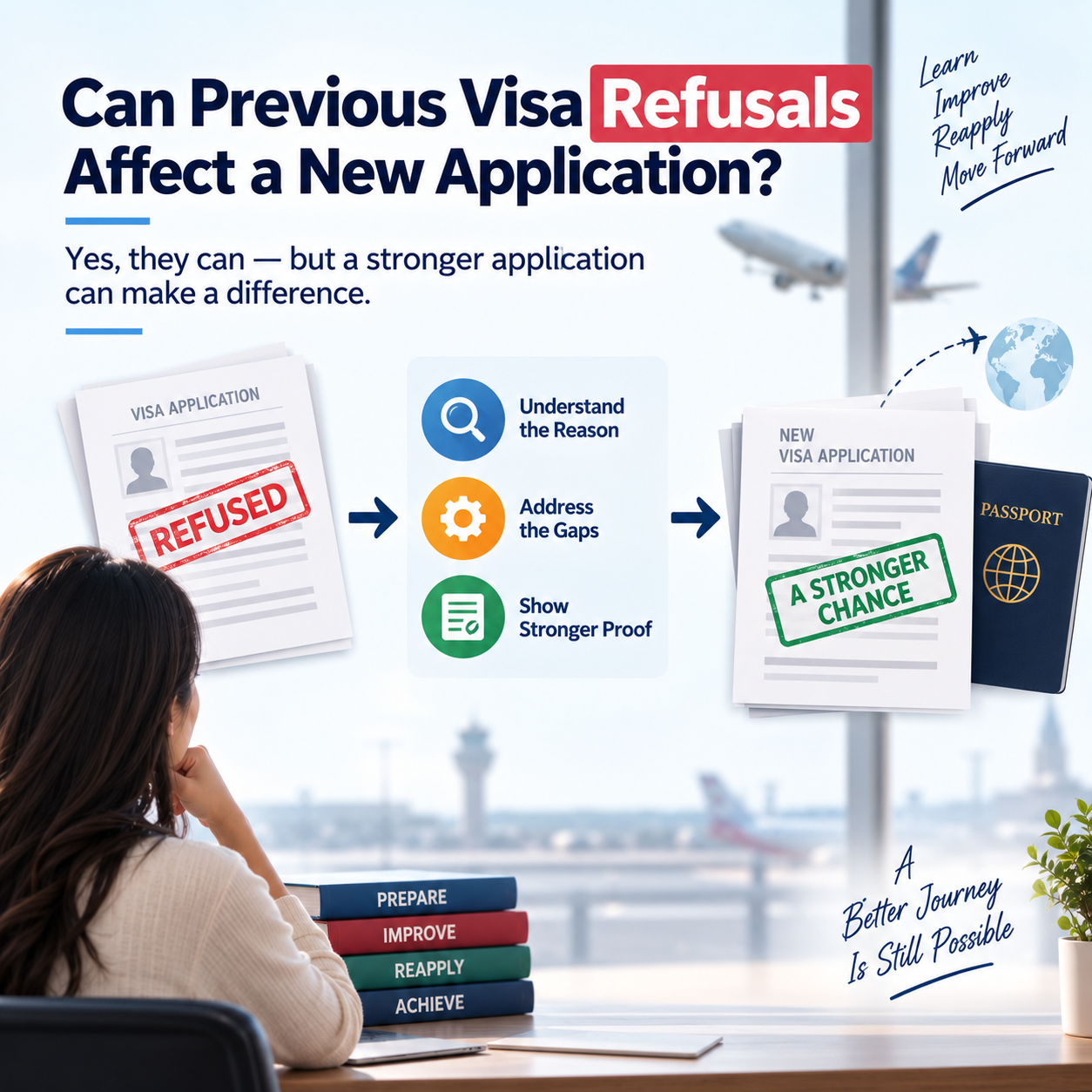
A previous visa refusal can make applicants nervous about applying again. Many people assume that once a visa has been refused, every future application will automatically be rejected. That is not necessarily the case. The effect of a previous refusal depends on the country, visa category, reason for refusal, and what has changed since the earlier application.
For people researching a Nabha Visa Consultant, the important point is to treat a refusal as information that needs to be understood, not simply as a permanent barrier. A new application should address the weaknesses identified in the previous decision and provide accurate, relevant evidence.
Why Was the Previous Visa Refused?
The first step after a refusal is to read the decision carefully. Visa refusals can happen for different reasons. An applicant may have failed to demonstrate sufficient funds, provided incomplete evidence, raised concerns about the purpose of travel, failed to meet eligibility requirements, or created inconsistencies in the application.
Canada’s immigration authority advises applicants to review the refusal reasons and explains that reapplying with the same information is unlikely to change the decision. A new application is more meaningful when circumstances have changed or new information and documents address the earlier concerns.
The same general principle applies to many destinations: understand the specific problem before preparing another application.
A Refusal Is Not Always a Permanent Barrier
A refusal does not automatically mean that an applicant can never receive a visa. Each application is assessed according to the applicable rules and the information available at that time.
For example, Canada’s official guidance states that a person whose application has been refused can apply again unless the decision says otherwise, but should do so only when they can provide information that was not previously included. It also states that a past refusal does not automatically mean a future application will be refused.
However, applicants should not interpret this as a guarantee. A second application can still be refused if the original concerns remain unresolved.
Identify What Has Changed
Before submitting a new application, make a simple comparison between the previous application and the proposed new one.
Ask what is different now. Has your employment changed? Is your financial position stronger? Have you received additional educational documents? Has your travel purpose become clearer? Have you obtained evidence that was missing previously?
Changes should be genuine and supported by appropriate documentation. Simply changing the wording of an explanation while keeping exactly the same circumstances may not address the underlying concern.
Review Financial Evidence Carefully
Financial concerns are common in visa applications, particularly when applicants need to demonstrate that they can support themselves during their intended stay.
Do not focus only on the final account balance. Review the overall financial picture, including income, employment, savings, sponsorship where applicable, transactions, and supporting records.
The evidence should be genuine and consistent with the information provided in the application. Large unexplained deposits or documents that do not match the stated financial circumstances can create additional questions.
A stronger application is one in which the financial story can be understood without unnecessary confusion.
Check Your Travel Purpose
The reason for travelling should be clear and appropriate for the visa category.
For a visitor application, explain the genuine purpose of the visit, intended duration, accommodation plans, and relevant circumstances. For a student application, the proposed course should make sense in relation to the applicant’s educational background and plans.
Avoid giving vague or exaggerated explanations. A straightforward account supported by documents is usually easier to understand than a statement filled with generic claims.
Correct Previous Mistakes
A second application is an opportunity to correct genuine mistakes, but applicants should not hide the fact that a previous application was refused when the form or process asks about it.
UK government guidance specifically identifies failure to disclose previous refusals where disclosure is required as an example of non-disclosure of a relevant fact. The guidance also explains that false information can have serious consequences.
Therefore, review previous forms and refusal letters before preparing a new application. Make sure dates, employment information, travel history, education, family details, and other important information are accurate.
Consistency Across Applications Matters
Applicants should expect their immigration history to be relevant when completing future forms. If information has changed, explain the change honestly.
For example, an applicant may have moved jobs, completed another qualification, changed financial circumstances, or travelled internationally since the previous application. Those changes can be relevant, but they should be supported by appropriate evidence.
Do not attempt to make a new application look unrelated to the old one. A transparent explanation is generally safer than trying to remove inconvenient history.
Understand the Difference Between a Refusal and Deception
A simple refusal and a refusal involving alleged deception are very different situations.
A refusal may result from insufficient evidence or an officer not being satisfied that the requirements were met. Deception, false documents, or deliberate misrepresentation can create much more serious immigration consequences.
UK guidance explains that previous deception can affect later applications and may lead to a mandatory refusal period in certain circumstances. It also identifies failure to disclose relevant previous refusals as a potential non-disclosure issue.
If a previous decision mentions fraud, deception, false documents, misrepresentation, or an immigration ban, applicants should understand the decision carefully before making another application.
Do Not Assume More Documents Always Mean Better
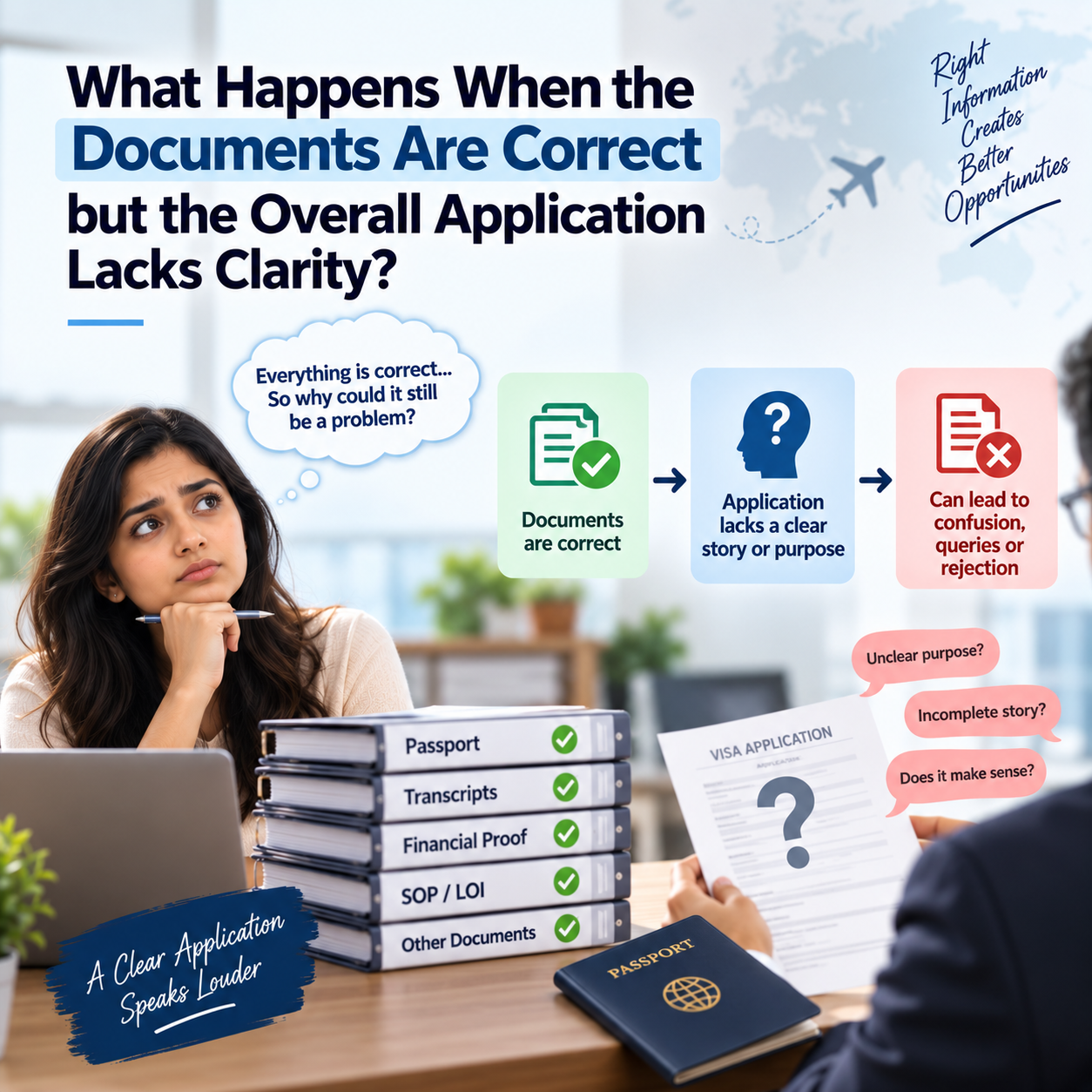
Applicants sometimes respond to a refusal by adding a large number of unrelated documents. More paperwork does not automatically make an application stronger.
Every supporting document should have a purpose. If the concern was financial capacity, provide relevant financial evidence. If the concern involves employment, provide appropriate employment records. If the issue involves the purpose of travel, provide evidence that supports that purpose.
Organised evidence is easier to review than a collection of documents without a clear connection to the application.
Use the Refusal Letter as a Checklist
Turn every refusal reason into a preparation checklist.
If the decision raised three concerns, write down all three. Then identify the evidence or explanation that addresses each one. Do not concentrate on only the easiest issue while ignoring another important concern.
Canada now provides officer decision notes with refusal letters for most temporary residence applications and most permanent residence applications. These notes are intended to help applicants understand why an application was refused.
This can make the review process more useful because applicants can examine the officer’s stated concerns rather than relying on assumptions.
Consider Professional Guidance Carefully
Some applicants choose to seek assistance when preparing a new application, especially when the previous refusal was complicated.
If you are considering a Nabha Visa Consultant, make sure you understand what assistance is being provided and remain responsible for the accuracy of the information submitted in your name.
No representative can guarantee a visa decision. Canada’s official guidance also states that hiring an immigration representative does not increase the chances of approval or change a previous decision.
Applicants should verify information against current government requirements and avoid anyone promising guaranteed approval.
Conclusion
A previous visa refusal does not automatically close the door to a future application. However, simply submitting the same application again is unlikely to solve the problem.
The smarter approach is to understand the original refusal, identify what was missing or unclear, collect relevant evidence, correct genuine mistakes, and explain any changes honestly. Applicants should also check whether the previous decision involved more serious issues such as deception or an immigration ban.
If you are researching a Nabha Visa Consultant, use the refusal as a starting point for better preparation rather than treating it as a reason to rush into another submission.
Every new application should stand on accurate information, genuine circumstances, consistent documents, and the current requirements of the destination country.